
Active Transport
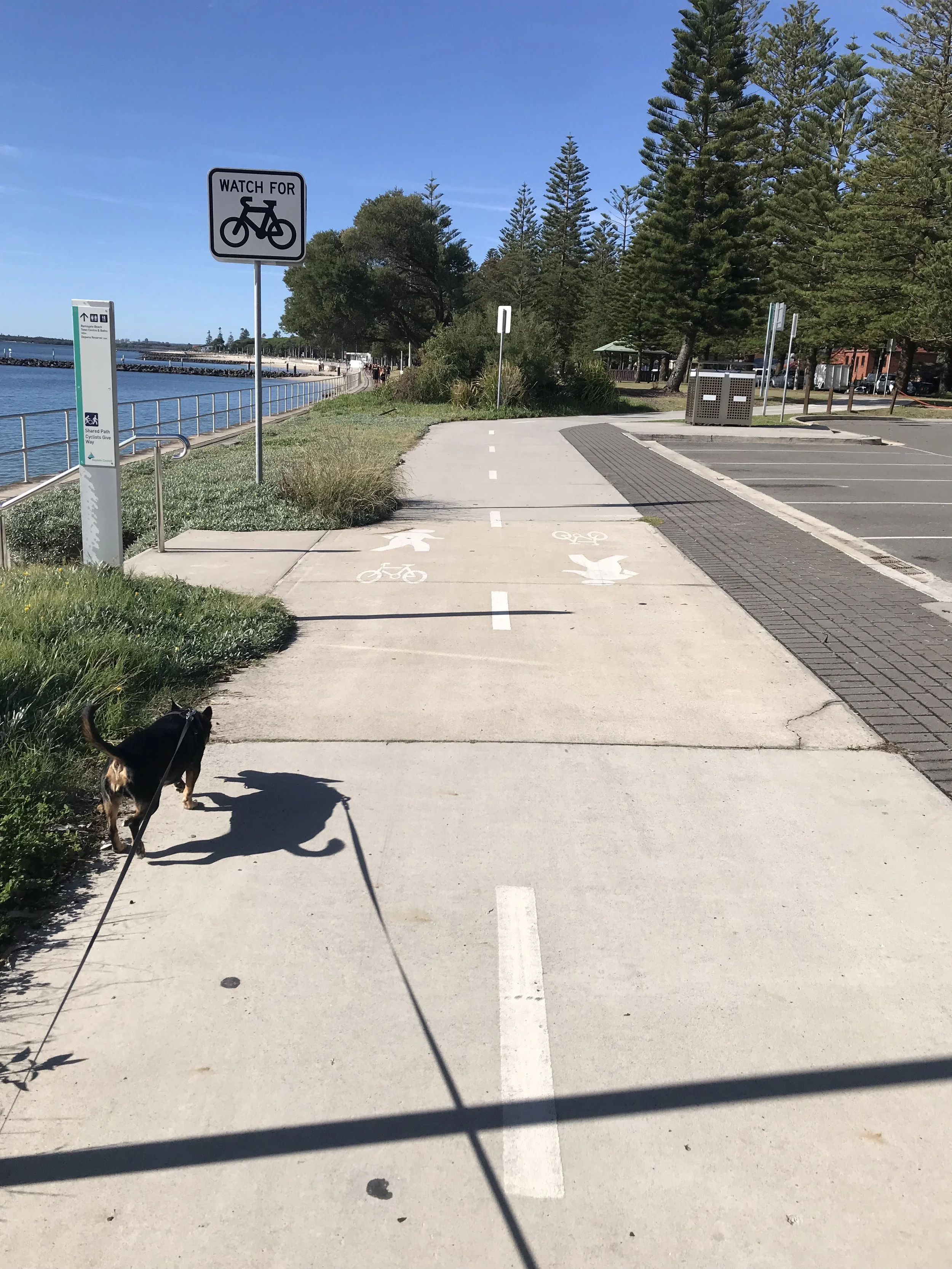
We believe walking and cycling should be safe, practical and enjoyable options for everyday journeys. Active transport is not just about recreation. It is about giving people more transport choices, reducing congestion, improving health outcomes and creating more liveable neighbourhoods.
As Bayside grows, we need a transport network that connects people to schools, shops, beaches, parks, public transport and town centres. We support a balanced approach that invests in active transport infrastructure alongside public transport improvements and sensible road planning.
Kamay Greenway
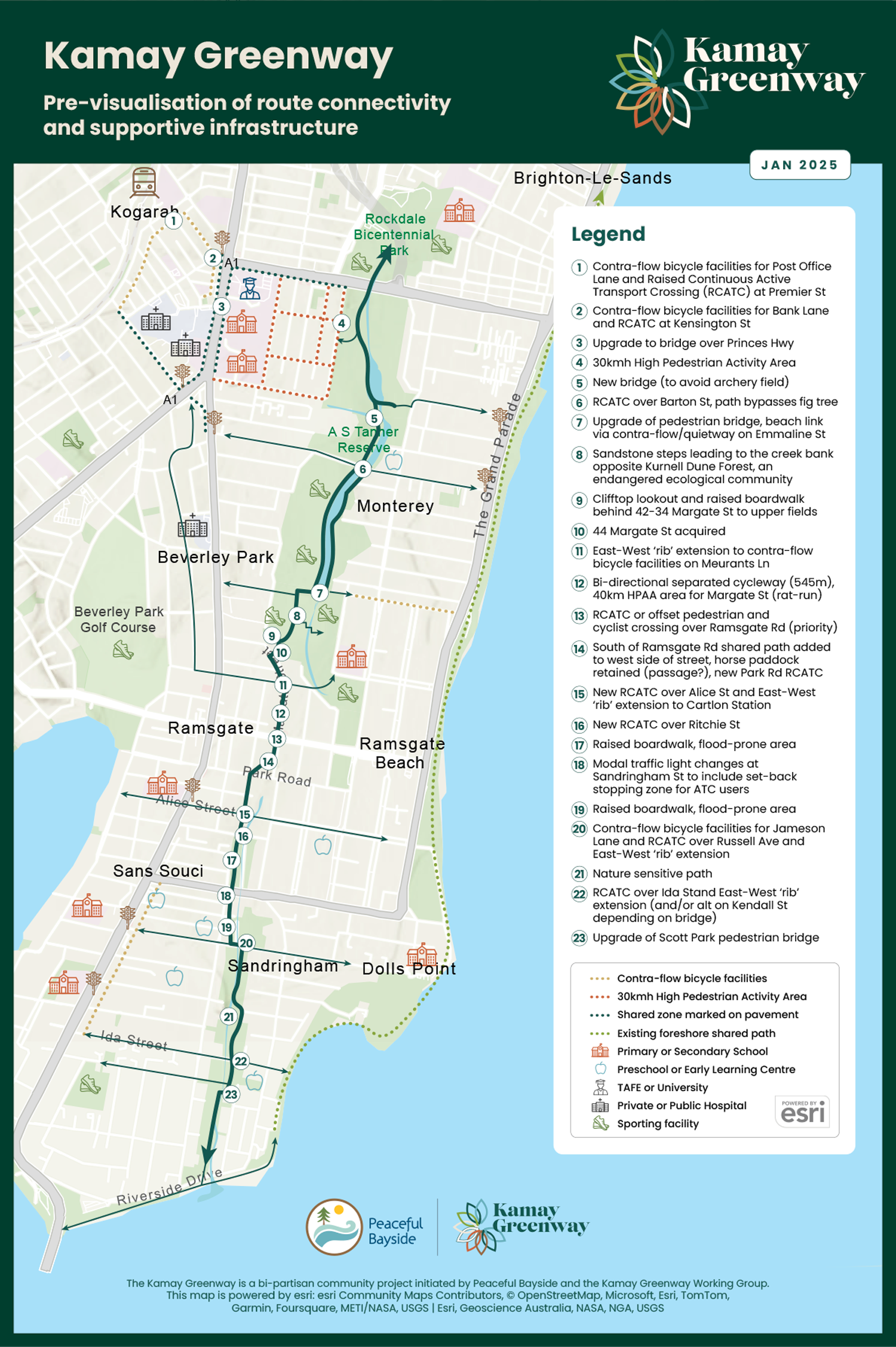
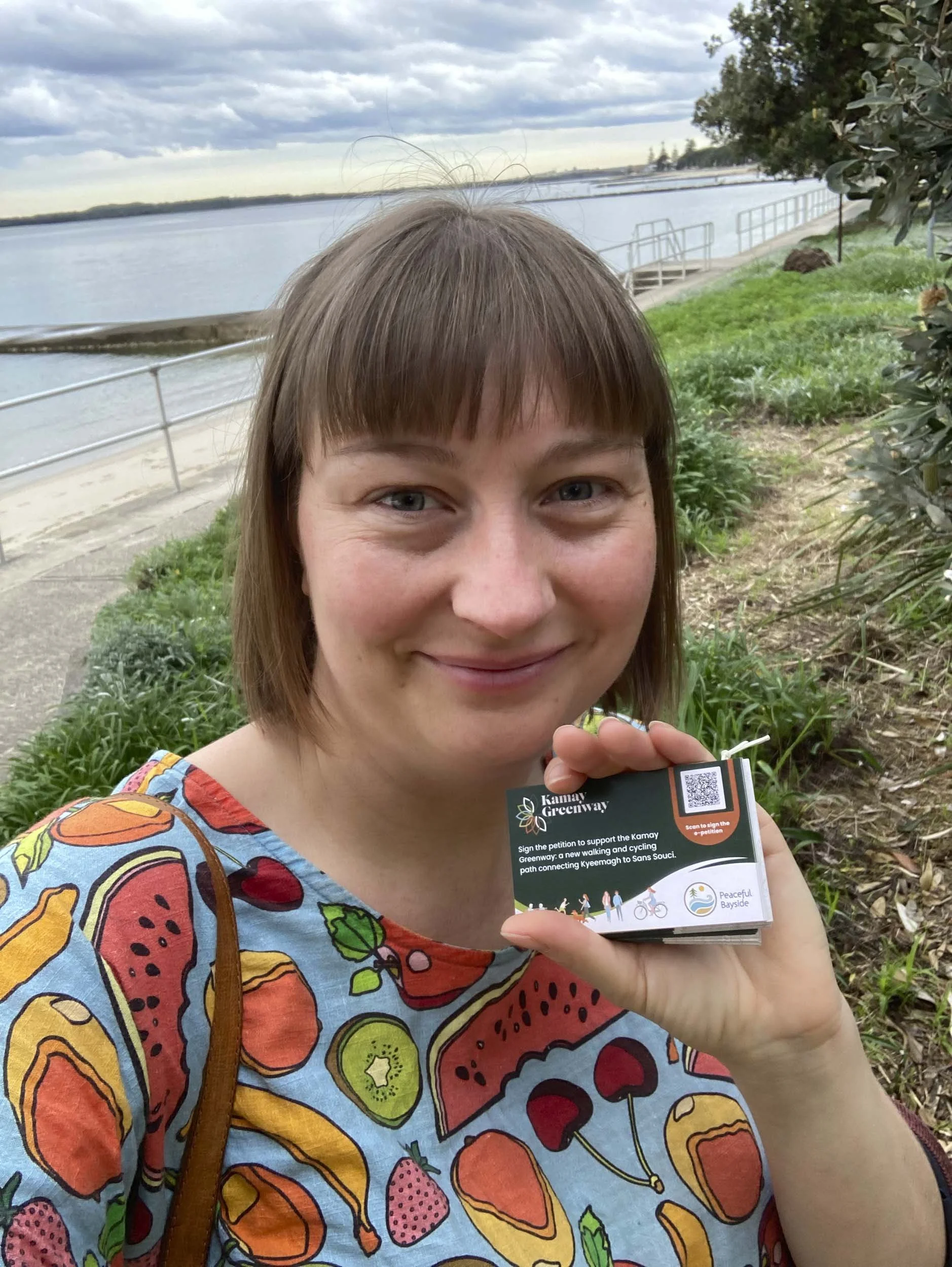
The Kamay Greenway has become one of the most significant community-led active transport projects in Bayside. We have brought the community together through organised walks, social media, branding, posters and petitions, and in turn, they have brought it to life.
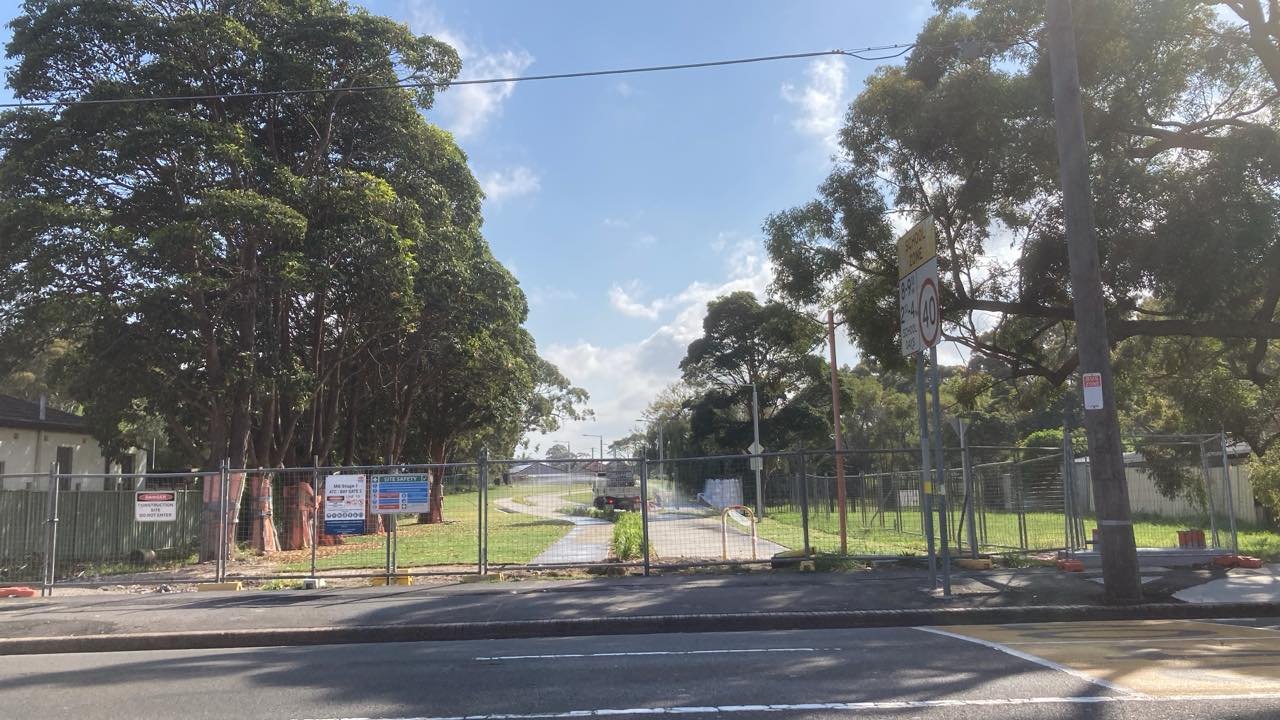
We have used community input to successfully advocate for a connected walking and cycling corridor that links communities, improves access to open space, and helps restore connections between waterways, parks, and neighbourhoods—fixing the missing link between Kyeemagh and Sutherland.
The project has continued to gain momentum through community engagement and planning work – it is now one of this term of Council’s “10 bold moves”. We successfully pushed for this project to be integrated into the Scarborough Park Masterplan, and continue to advocate for the southern segment and improved east-west and north-south links that connect residents to beaches, public transport, and local centres. The project has been nominated as a budget item under the Developer Contributions Scheme, as it meets the criteria for benefiting the apartment dwellers in the vicinity who contributed to this fund. The masterplan phase commenced in June 2026.
The Kamay Greenway represents the type of visionary, long-term, city-building infrastructure Bayside needs: projects that improve health, connectivity, biodiversity and public amenity and create safer alternatives to short car trips.
Safe Walking Routes
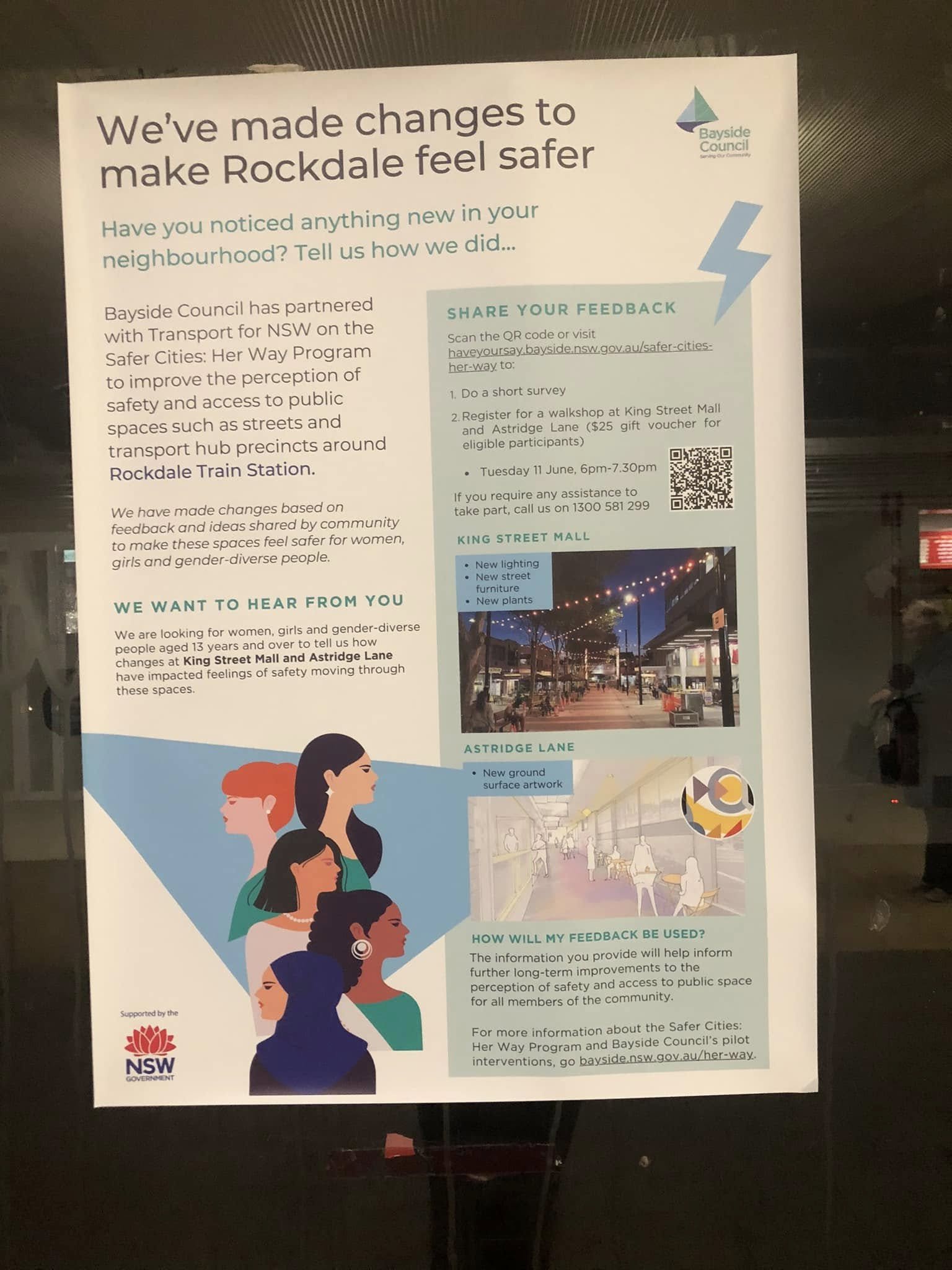
Walking should be the most accessible form of transport, yet many parts of Bayside still experience missing footpaths, unsafe crossings, poor lighting and barriers to accessibility.
We support investment in safer pedestrian infrastructure, particularly around schools, transport hubs, shopping centres, parks and waterfront areas. Streets should be designed for people of all ages and abilities, including children, older residents and people using mobility aids.
Through our advocacy work, we have supported investigations into safer pedestrian connections, including improved access around Kogarah Station and safer links between major transport corridors and surrounding neighbourhoods. We also support traffic-calming measures, safer crossings and pedestrian-priority design in appropriate locations.
Walkable neighbourhoods create stronger local economies, healthier communities and safer public spaces.
We instigated Council upgrading its online tool, 'Report It', to add four new “lighting” categories to make it quicker and easier for residents to report lighting issues in their local area. Residents can now report lighting faults in Bayside carparks, parks, and sports fields, or request a new street light location, all online from their phone or device, ensuring requests reach the right team without delay. This empowers pedestrians and cyclists to walk and ride at night with greater confidence.
Better Cycling Connections
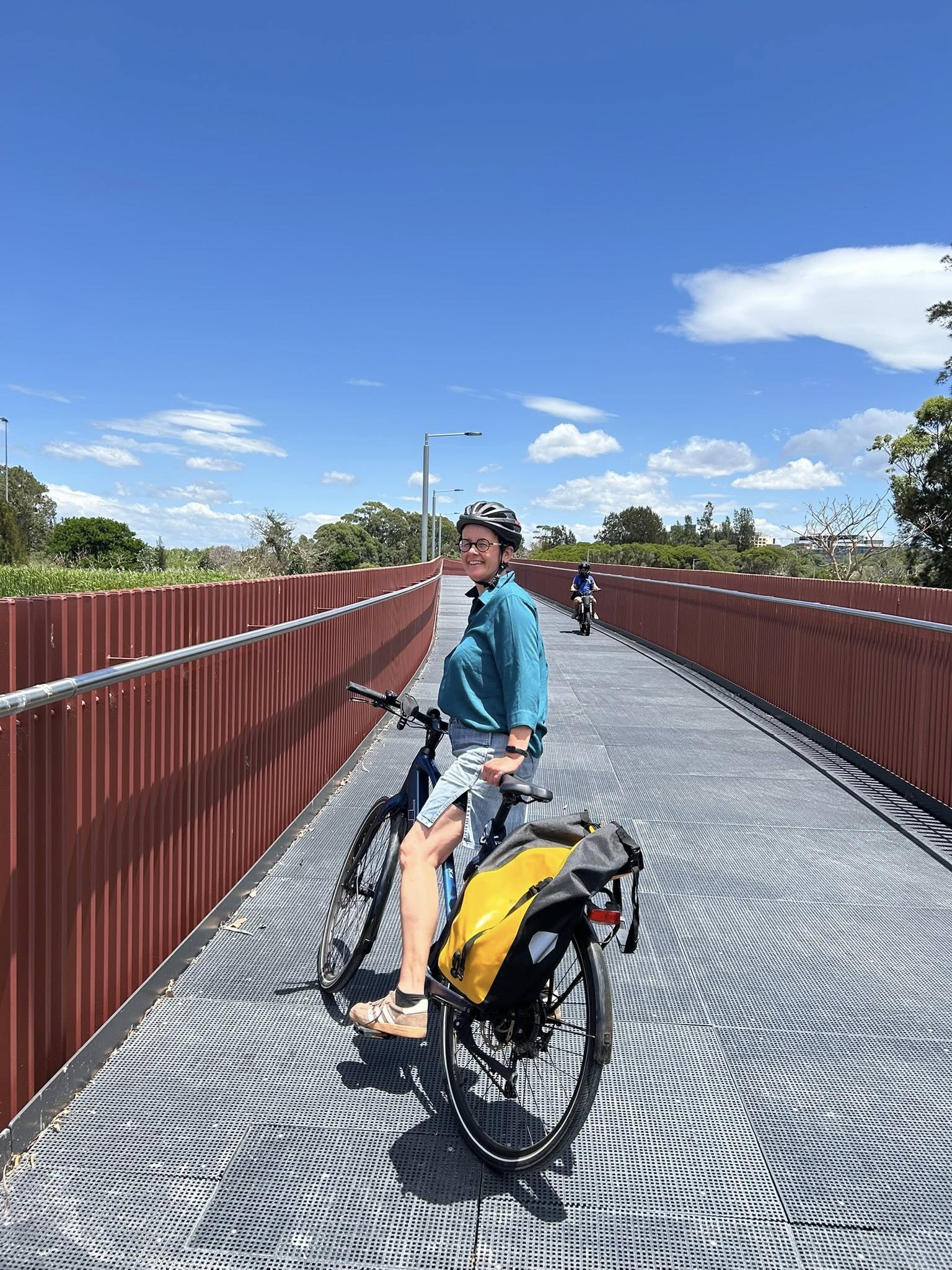
Cycling infrastructure should form part of an integrated transport network, not isolated fragments of disconnected paths.
We support protected cycleways, shared pathways, safer road crossings and better connections between residential areas, schools, public transport hubs, employment centres and recreational destinations. Good cycling infrastructure provides transport choice while helping reduce congestion and parking pressures.
We have advocated for active transport planning to be embedded within major projects and masterplans, ensuring new development supports safe cycling access rather than increasing car dependence.
As more residents live in apartments and medium-density housing, access to safe cycling infrastructure becomes increasingly important for everyday mobility.
Active Transport and Housing Growth
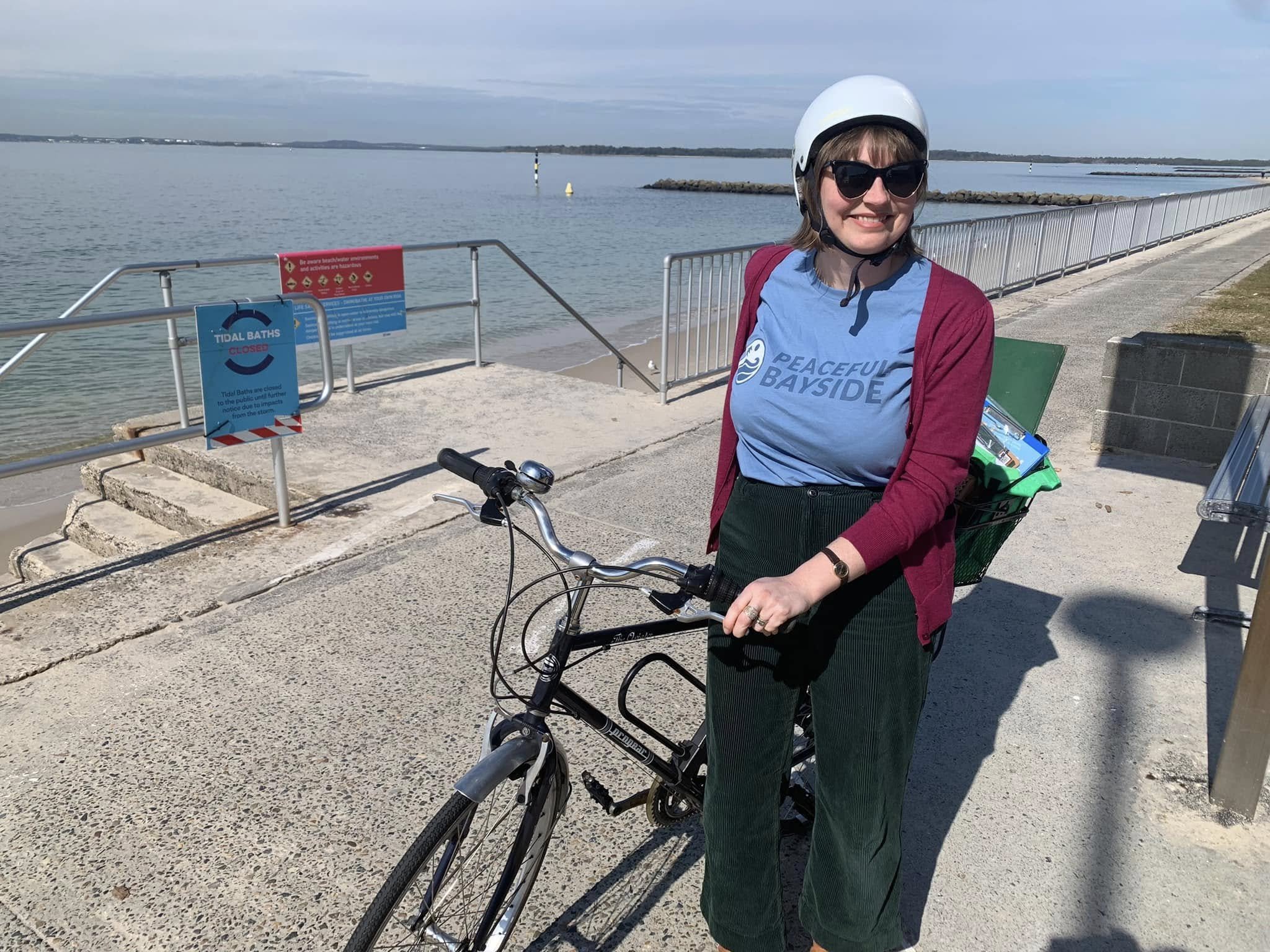
Meeting housing affordability and housing supply challenges requires more than simply building homes. New housing must be supported by the infrastructure that allows people to move around safely and efficiently.
We support increasing housing density in appropriate locations, particularly near public transport, services and employment centres. However, higher-density communities also need access to walking paths, cycling networks, green spaces and active transport corridors.
Without these connections, residents become increasingly dependent on private vehicles, placing greater pressure on local roads and parking. Well-planned active transport infrastructure helps support growth while maintaining liveability.
Through our planning advocacy, we continue promoting development that integrates transport choice, sustainability and community wellbeing.
Safer Routes to Schools
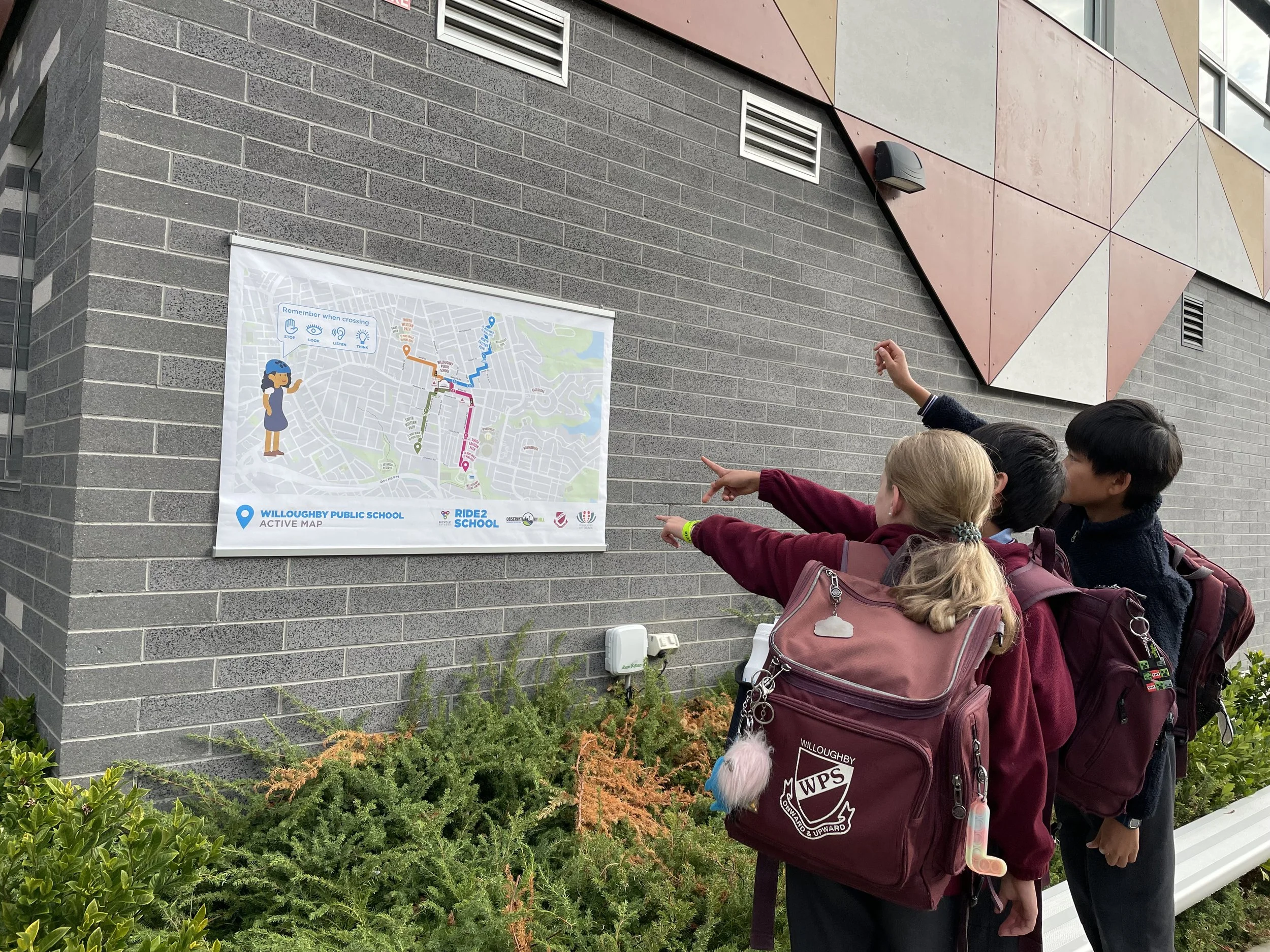
Children should be able to walk, ride or travel to school safely. We support safer crossings, lower-risk road environments around schools, improved footpath connections and better active transport planning that encourages independent mobility for young people.
Our advocacy has included calls for improved pedestrian safety infrastructure and safer connections around major roads and transport corridors. Creating safe school travel routes can reduce traffic congestion while supporting healthier lifestyles for children and families.
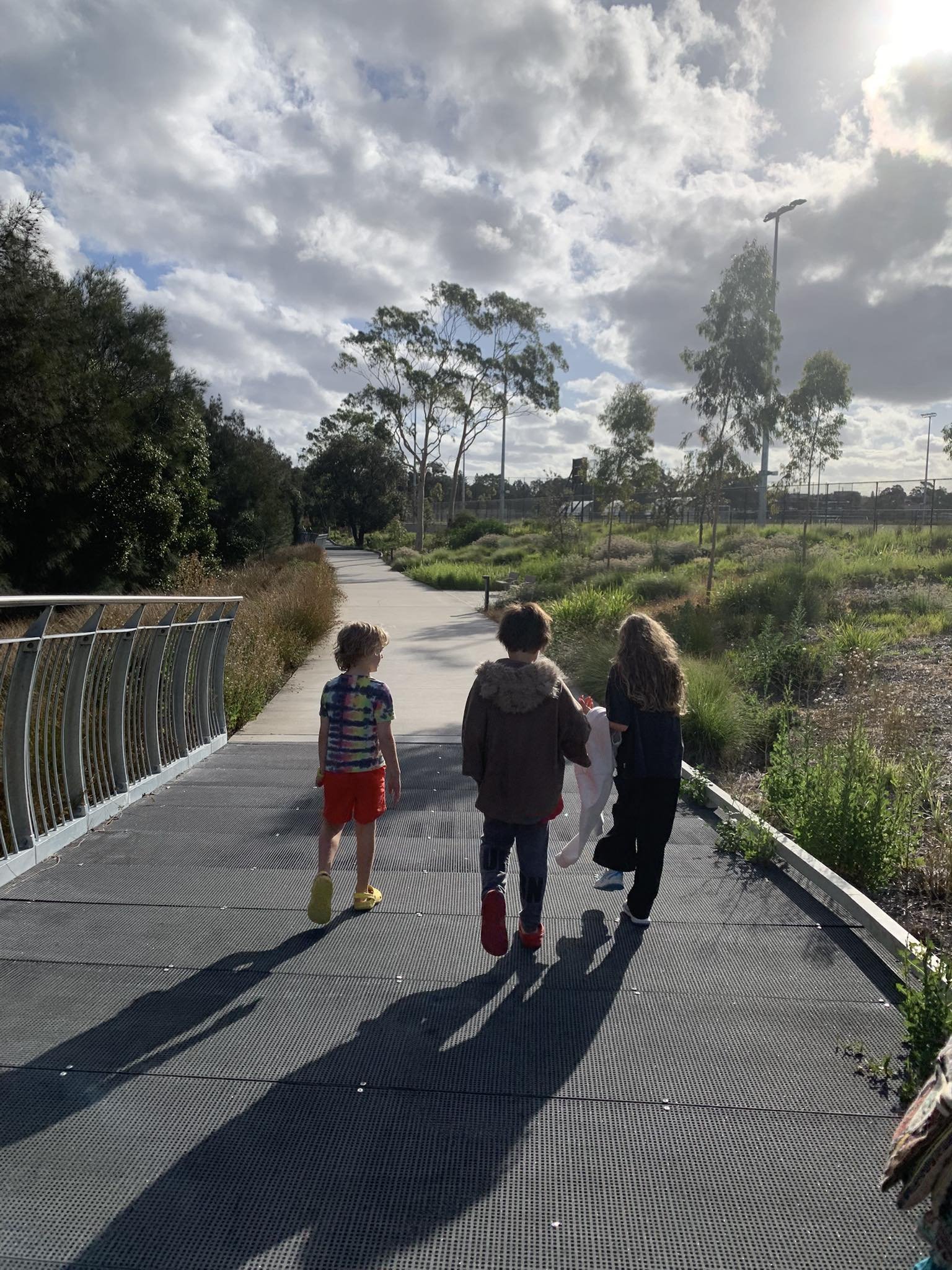
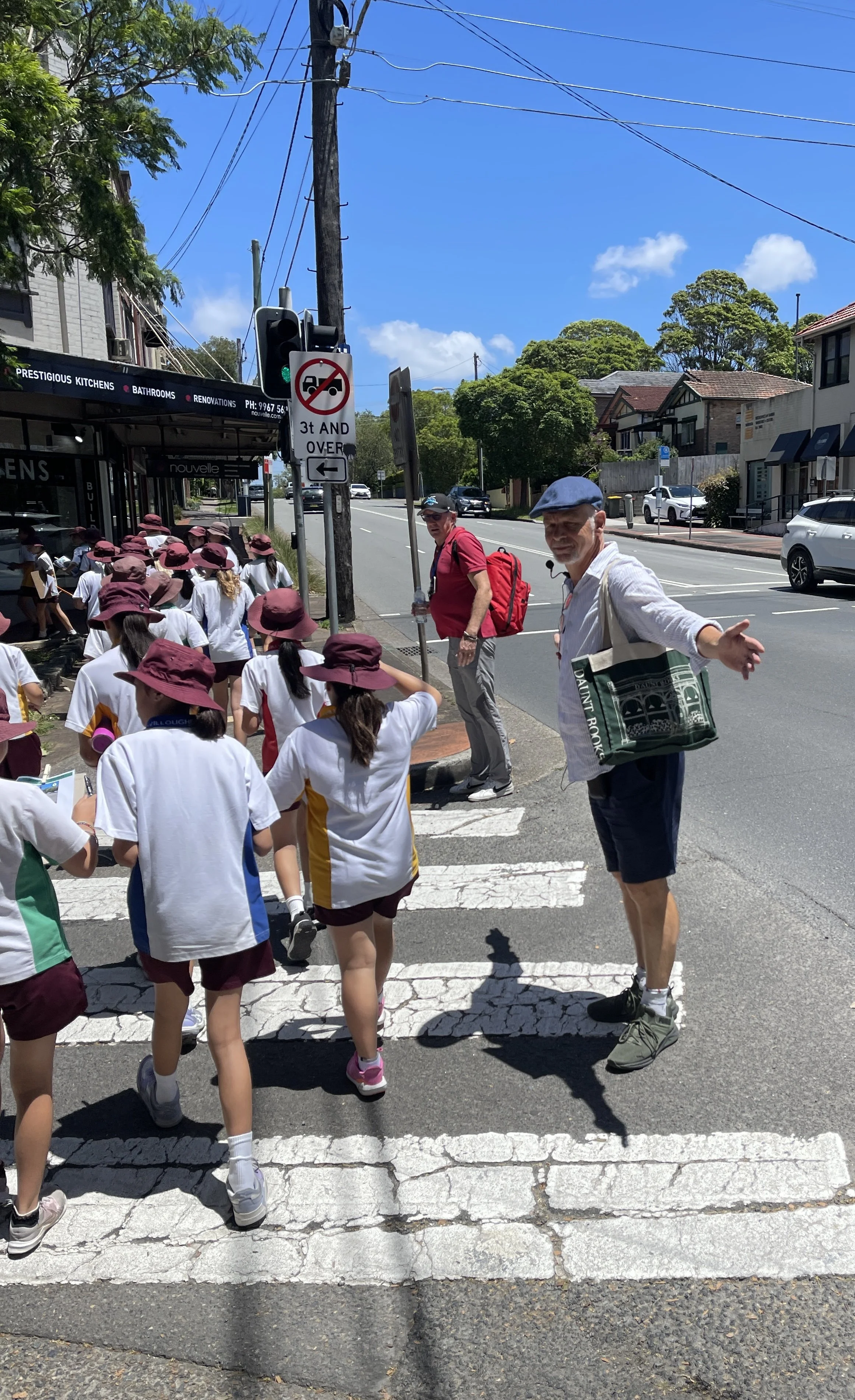
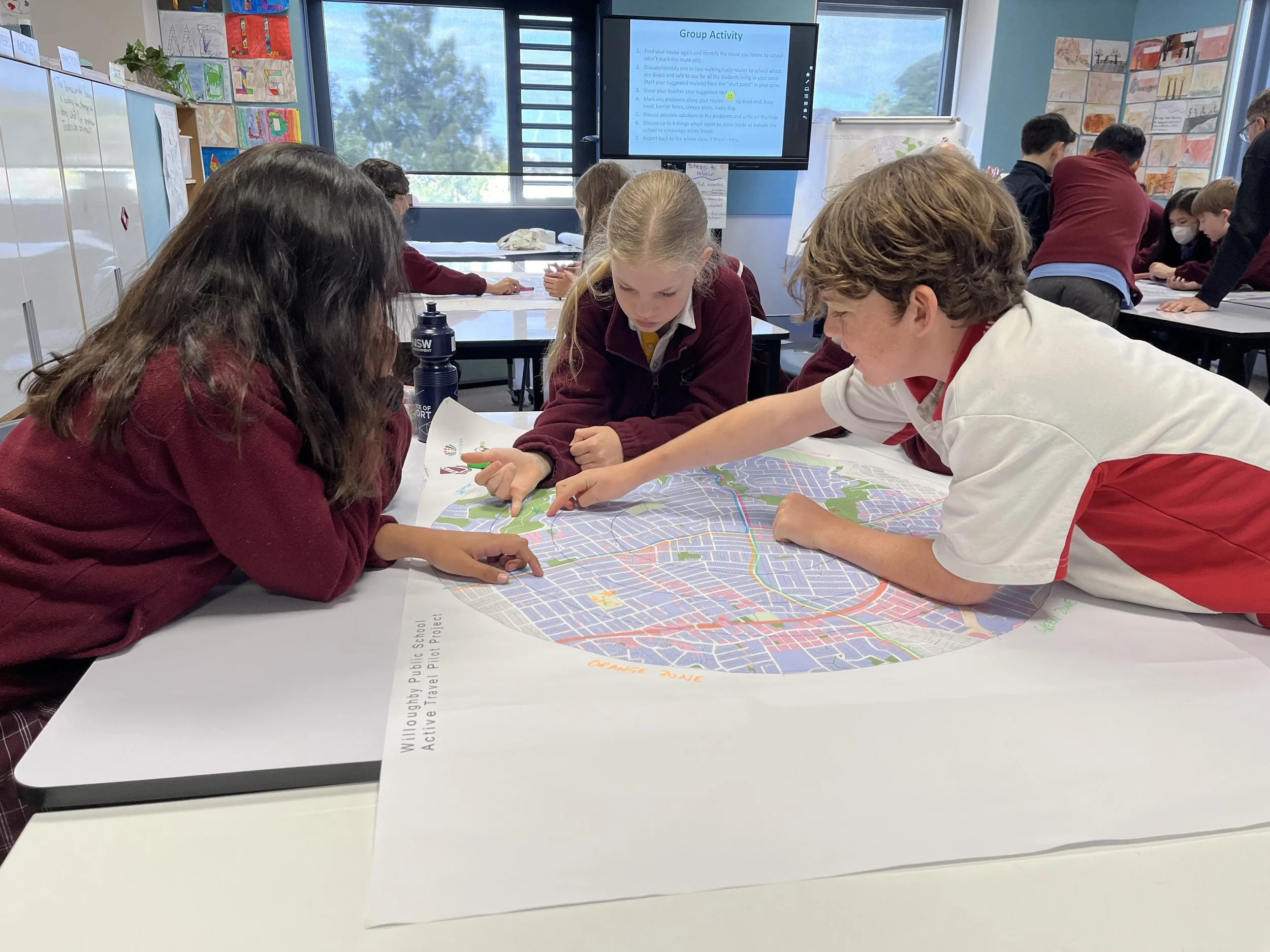
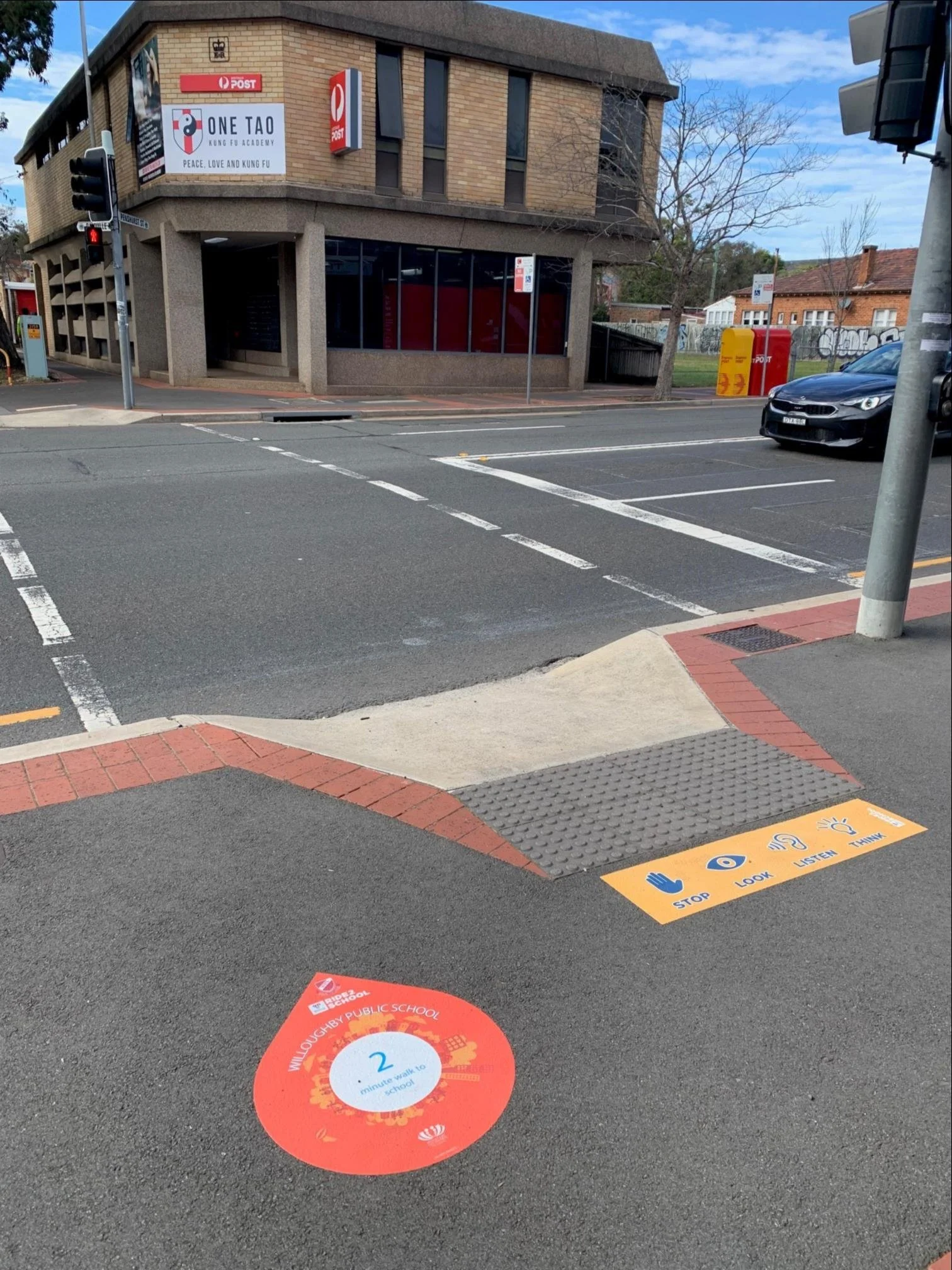
Internationally, many cities have successfully increased walking and cycling participation through school-focused transport planning, creating safer and more people-friendly neighbourhoods. We love what we are seeing in Willoughby Council and are seeking to run a similar trial in Bayside.
Streets for People
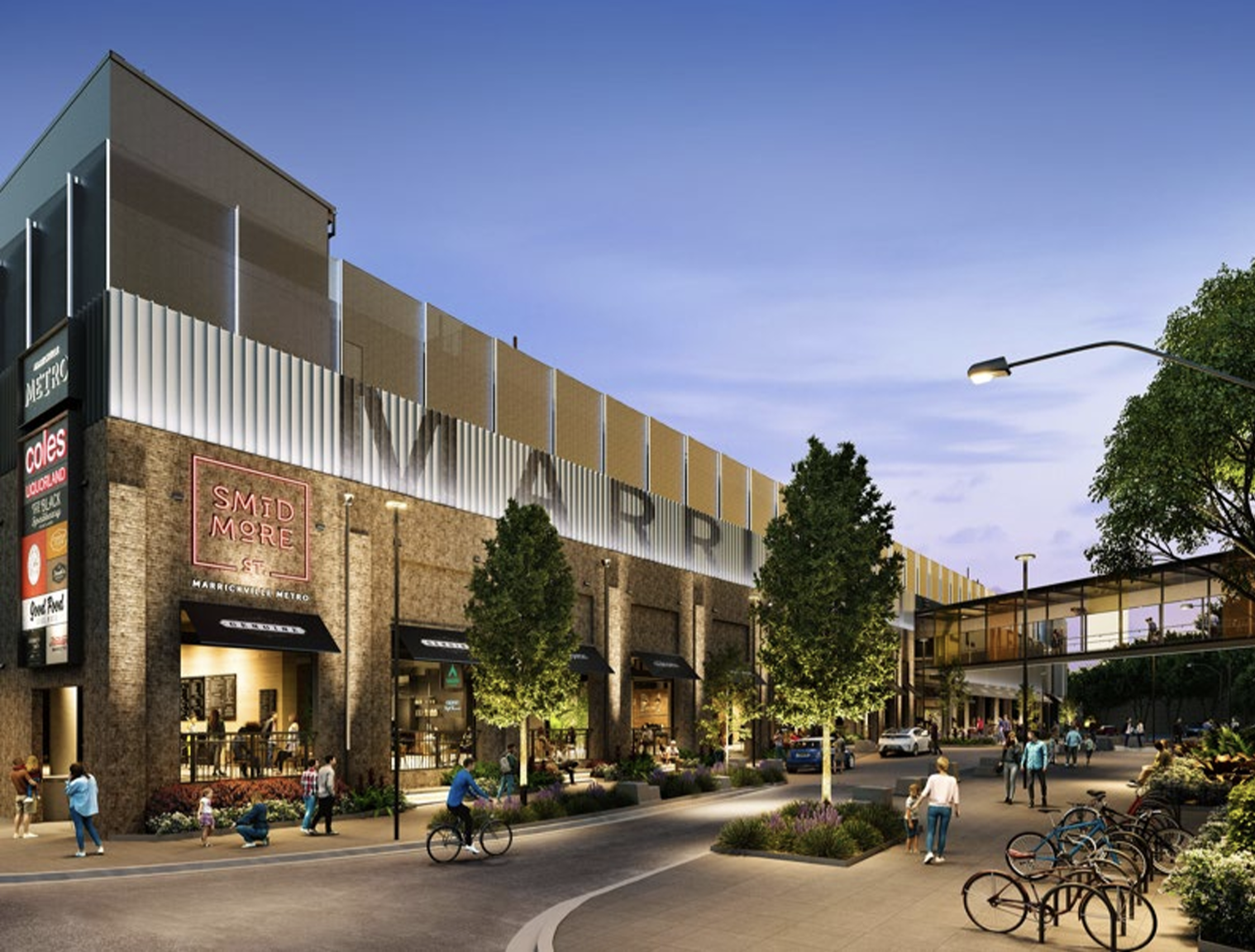
Active transport is also about how public spaces feel. When streets are dominated entirely by vehicle movement, opportunities for social interaction, local business activity and community life are reduced.
Well-designed streets can support walking, outdoor dining, safer crossings, shade, greenery and vibrant town centres.
We support people-focused urban design approaches that improve safety and comfort while maintaining access and functionality. Projects such as investigations into the future of Bay Street and improved public space connections reflect broader conversations about creating places that prioritise people as well as movement.
Successful active transport networks are ultimately about creating places where people want to spend time, not just travel through.
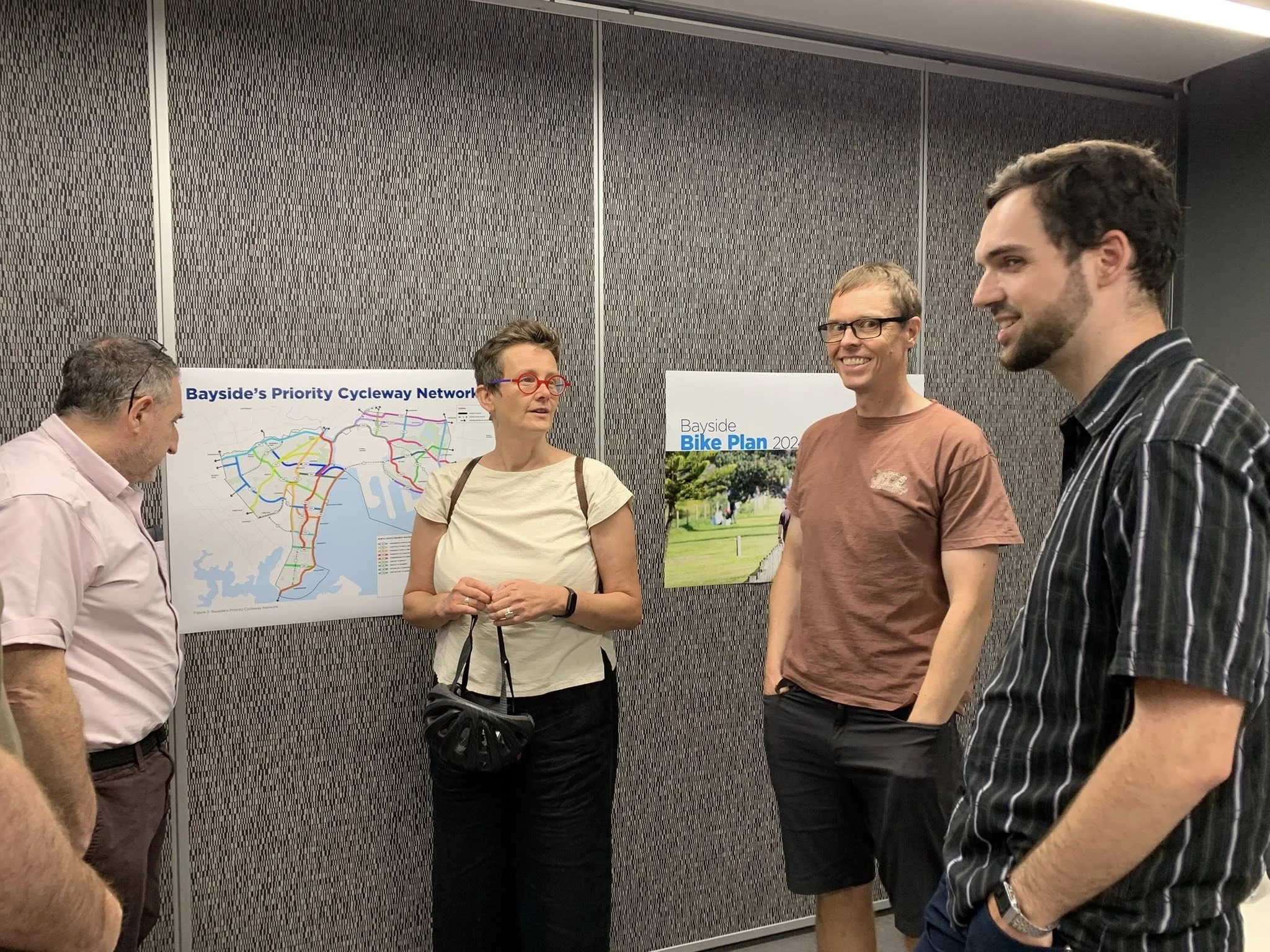
Walking and cycling forum
Peaceful Bayside is proud to have instigated Bayside Council’s biannual “Walking and Cycling Forum”.
According to Bayside Council, “The purpose of the proposed Walking & Cycling Advisory Committee is to provide advice on the strategic direction, priorities and policy principles, specifically to foster a healthier, more connected community by prioritising walking, cycling, and public transport over private vehicles. Its focus is to align Council’s transport initiatives with climate targets, promote active and sustainable mobility options, as well as reduce greenhouse gas emissions, ensuring Bayside’s evolution towards a net zero future.
“Safe walking and cycling routes reduce traffic congestion, parking, vehicle emissions, noise pollution, and our cost of living. Equally, safe walking and cycling routes can strengthen community connections, physical and mental well-being and community satisfaction.”
The first meeting was held on 26 February 2026.
Frequently asked questions
-
Active transport refers to walking, cycling, scooting, rollerblading, rollerskating and other forms of “human-powered travel” used for everyday journeys. This includes e-bikes and e-scooters.
More active transport routes make it easier for people to walk or cycle to shops, or even take longer trips, like commuting to work in neighbouring parts of Sydney, and to leave the car at home.
Active Transport is getting more popular as cycleways improve and new types of bikes become available—some designed to carry families or cargo and some designed to suit the unique needs of people living with disabilities. E-bikes are now popular and make it easier for a wider group of citizens to travel longer distances and conquer more “hilly” or strenuous routes.
-
It improves health outcomes, reduces congestion, lowers emissions, supports local businesses and creates more connected communities.
Economic Benefits:
Attracts customers who don’t need parking to stop and shop.
Every dollar invested in cycling infrastructure may return up to five dollars worth of benefits (mostly from the health benefits of a more active lifestyle).
Health and Environmental Benefits
Active transport leads to decreased motoring costs, reduced traffic congestion, improved health, positive environmental outcomes, and enhances urban liveability.
People using active transport experience green areas up close as they transit through them on off-road paths. As such, they are more likely to participate in or advocate for their protection and improvement.
Social Benefits:
Enables transport equity in our society—especially for young people or those who cannot drive, whereby they can move around the area safely and inexpensively. Active Transport allows citizens of all abilities the means and freedom to choose where they want to go. It promotes healthier, cheaper, more social living.
Infrastructure Benefits:
Active transport decreases infrastructure spending. It also helps in creating walkable and connected neighbourhoods where residents can enjoy existing facilities more often.
-
Higher-density living works best when people can easily access shops, schools, parks, public transport and services without relying entirely on private vehicles.
A Bayside Council survey showed that Bayside residents want to get out there and enjoy our beautiful local environment with 72% of respondents desiring safer streets, 43% better-managed green spaces and 41% more liveable, inclusive neighbourhoods.
For example, Bayside Council proposal for Active Transport links between Arncliffe and Banksia to Riverine Park, received 89 submissions with an overwhelming 92% of participants expressing their support.
-
We have consistently and tirelessly advocated for active transport connections through masterplans, council motions, community engagement processes and strategic planning discussions, including ongoing advocacy for the Kamay Greenway and several other Active Transport projects.Some recent ‘wins’ include:
Scarborough Park Masterplan (September 2025): We advocated for Council to submit concept proposal to Transport for NSW, continue working to resolve future access across their land, ensure positive active transport connections to south and east/west from Garrigarrang Avenue to Ramsgate Beach Town Centre and to fully integrate the Kamay Greenway project into the plans.
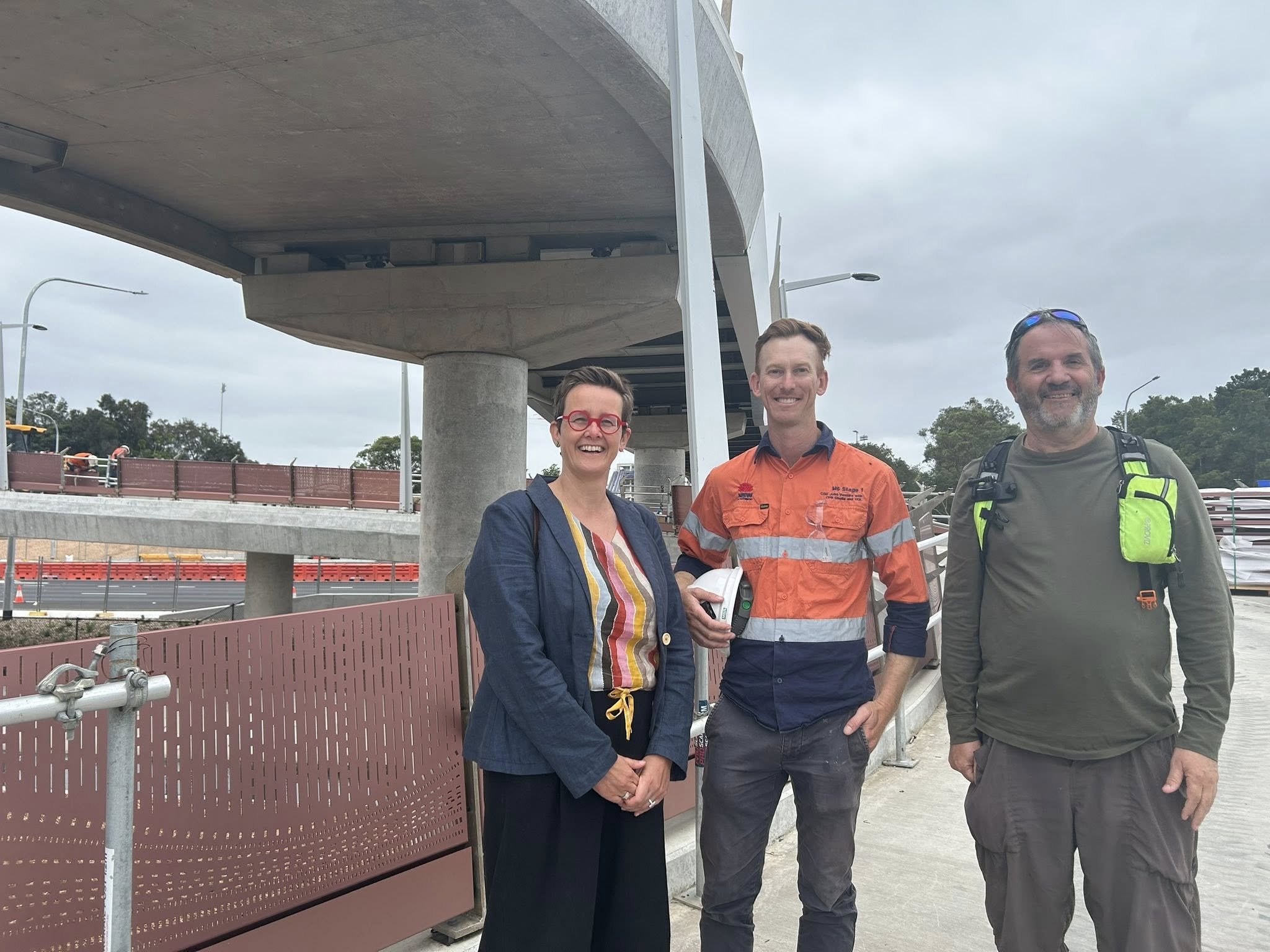
Kogarah Pedestrian Bridge: Request TfNSW review safety of pedestrian bridge over Princes Highway outside James Cook High School Create safe connections between M6 Active Transport Corridor and Kogarah train station for east-west commuter access – Douglas & Bredehoeft motion (March 2025)
Walking & Cycling Advisory Committee/Active Transport Forum: We requested this committee be set up to comment on Council’s active transport decisions. The committee, which evolved into a twice-yearly ‘forum’, is attended by bicycle user groups, active transport activists, accessibility advocates, BicycleNSW, BikEast, WalkSydney, Kamay Greenway Working Group representatives, and other interested residents.
We have also engaged with the Department of Education’s Kamay Botany Bay Environmental Education Centre to support the teaching of “Active Transport” as a key topic of their excursion lesson plans for primary school level geography and science.
-
Yes. Even modest shifts toward walking and cycling can reduce congestion, particularly for short local trips.
-
We want to see a connected network of walking and cycling routes across Bayside that links neighbourhoods, beaches, schools, public transport and town centres.
Active Transport infrastructure is greatly needed and wanted in Bayside. More and better cycle paths and pedestrian walkways can result in traffic calming, and make our streets safer, discouraging dangerous driving and hooning behaviour.
The NSW Government has extensive plans to connect Greater Sydney with Active Transport infrastructure, including Strategic Cycleway Corridors, and Green Grid Corridors. Peaceful Bayside wants to ensure that Bayside is included in these plans.
-
Walking and cycling produce virtually no transport emissions and help reduce reliance on fossil-fuel-based transport.
Did you know?
Beach water quality in Kamay
According to the NSW Active Transport Strategy and Greater Sydney transport datasets, the average distance of car trips in Sydney suitable for active transport alternatives is 35% of trips (3km or less). And the share of Sydney trips currently made by walking and cycling is approximately 17% of trips. [Source: NSW Active Transport Strategy and Greater Sydney transport datasets.]
A little ‘people power’ can make a BIG difference.
-
![Volunteer]()
Volunteer
Peaceful Bayside is powered by people like you. We’re a community of caring, fun, creative locals and when you volunteer with us, you’ll make a real difference right where you live. Whether you have a little time or a lot, there’s a place for you in our team — so please volunteer and help us build a better Bayside, together.
-
![Join the Party]()
Join the Party
If you want safer streets, greener parks, more liveable neighbourhoods, and a thriving local arts and culture scene — then join our party! It’s free, it keeps local democracy strong, and keeps the major parties more accountable. Becoming a member gives you a real voice on Council and the power to shape our community. Don’t get angry — get elected!
-
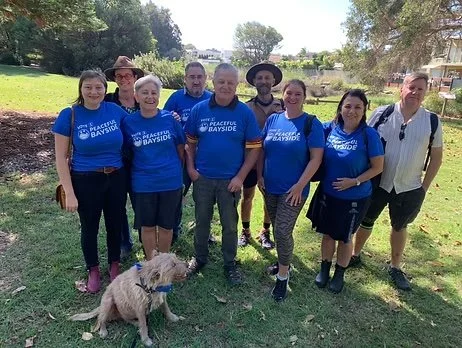
![Group of nine people standing outdoors in a park, with six women, two men, and one person whose face is obscured. One woman has a dog on a leash sitting in front of her. All are wearing blue shirts with white text that says 'PEACEFUL BAYSIDE'. There is greenery, trees, and a building in the background.]()
Donate
Every dollar you give helps keep our community movement strong and independent. Your support powers all our local campaigns, keeps Peaceful Bayside representatives on Council, helps us stay connected through our website, newsletters, and events — all run on the dedication of volunteers and the smell of an oily rag.
-
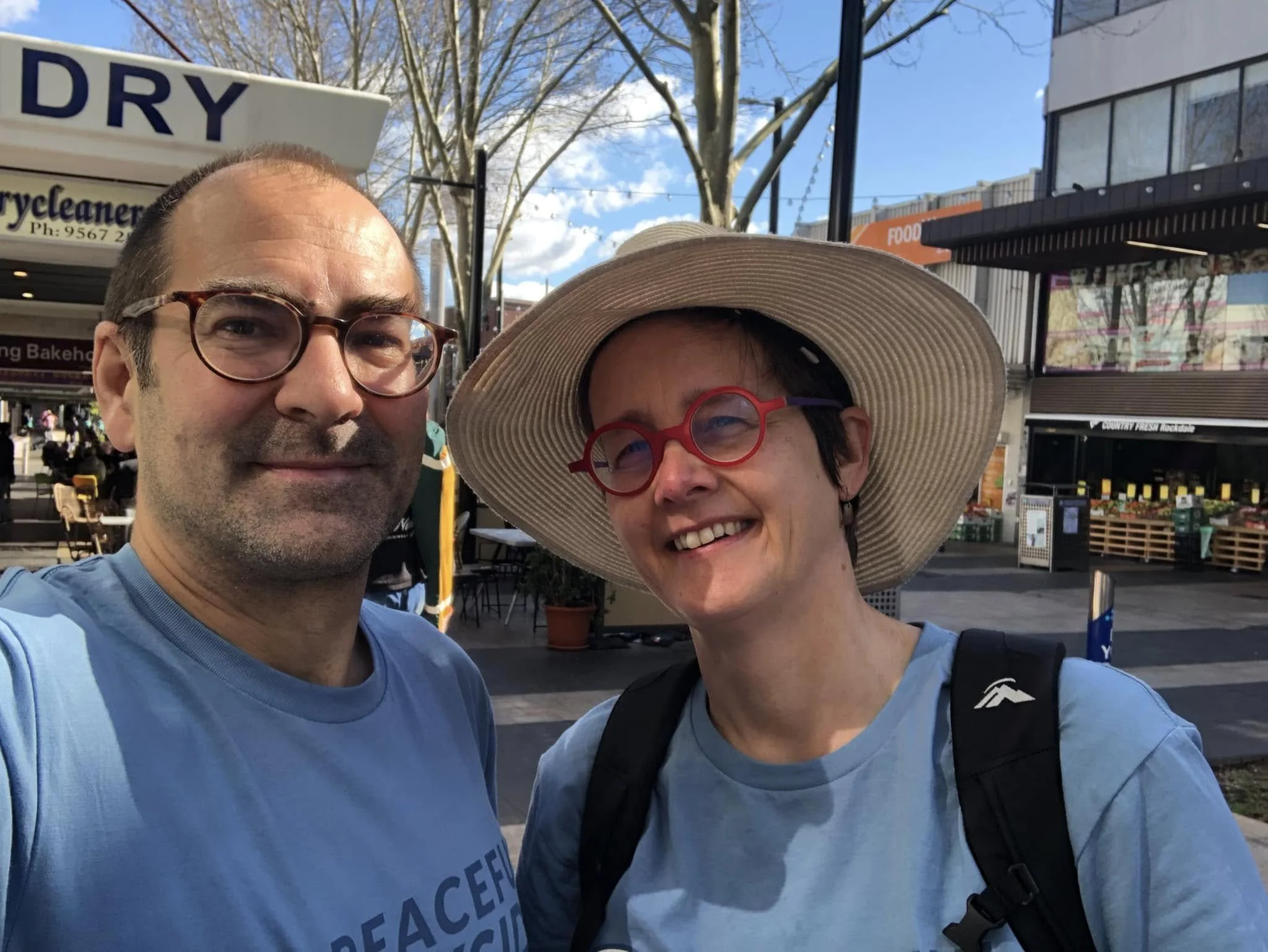
![Two people standing outdoors, wearing blue shirts, one with glasses and a tan hat, smiling, with a street and shops in the background.]()
Follow us on socials
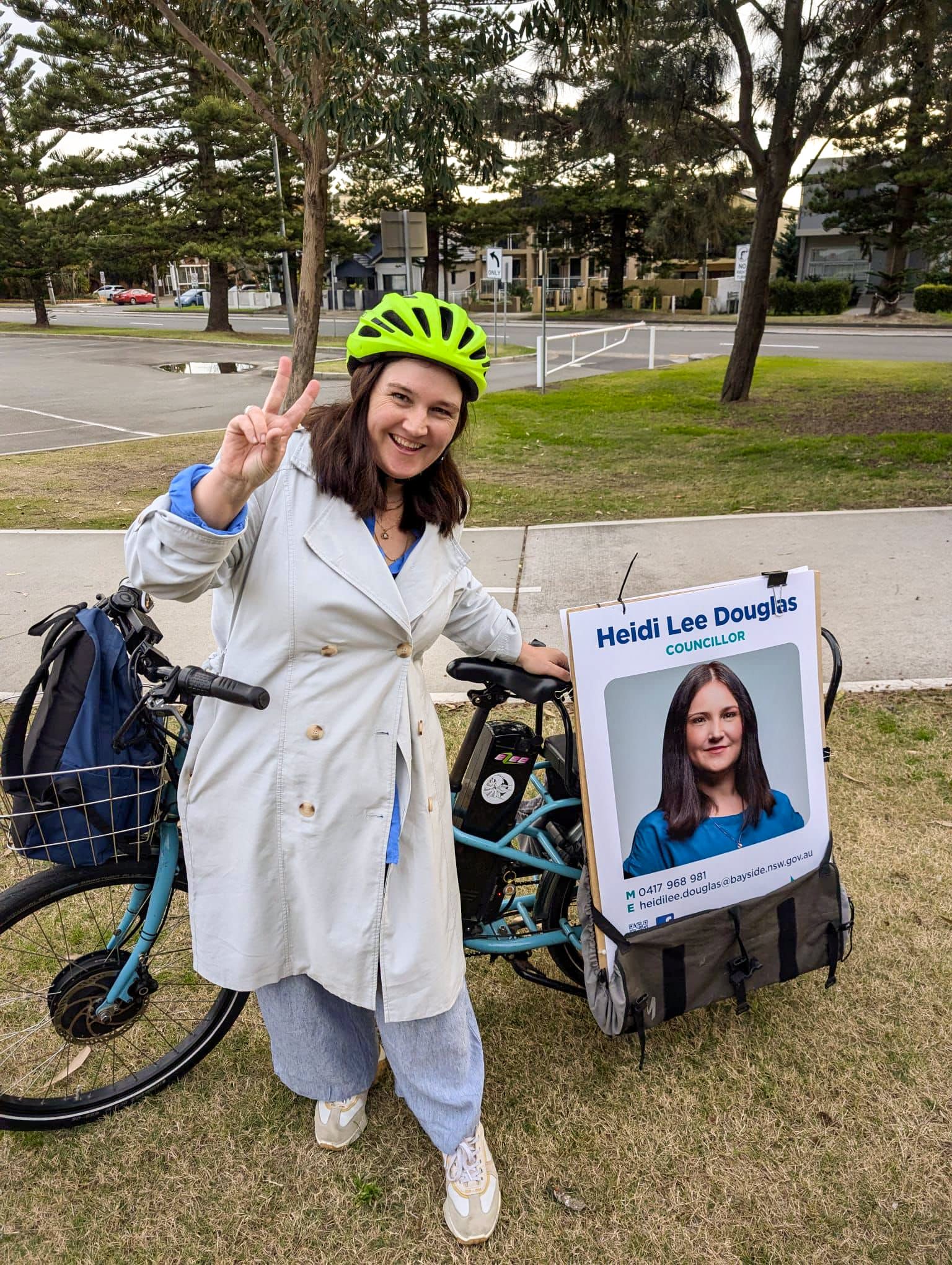
By following Deputy Mayor Heidi Lee Douglas or Councillor Janin Bredehoeft on social media you can keep an eye on our progress and add your comments and ideas to upcoming ‘hot topics’ at Council. You can also follow one of our other pages like Peaceful Bayside, Peaceful Bayside Action Group, Kamay Greenway, Creative Bayside and Big Trucks Off Bexley.
● CONTACT
Join the conversation
If you would like more information about our group, have a media enquiry or want to ask a general question, please fill out this Contact Us form.
If you would like to support us by donating your time visit the volunteer page.
Issues, questions and ideas for Heidi (Ward 5)?
To send us ideas or report on-the-ground issues across Ward 5 (Kyeemagh, Brighton Le Sands, Monterey, Ramsgate, Sandringham, Dolls Point), please email heidilee.douglas@bayside.nsw.gov.au
Issues, questions and ideas for Janin (Ward 3)?
To send us ideas or report on-the-ground issues across Ward 3 (Rockdale, Arncliffe, Banksia, Bexley), please email janin.bredehoeft@bayside.nsw.gov.au