
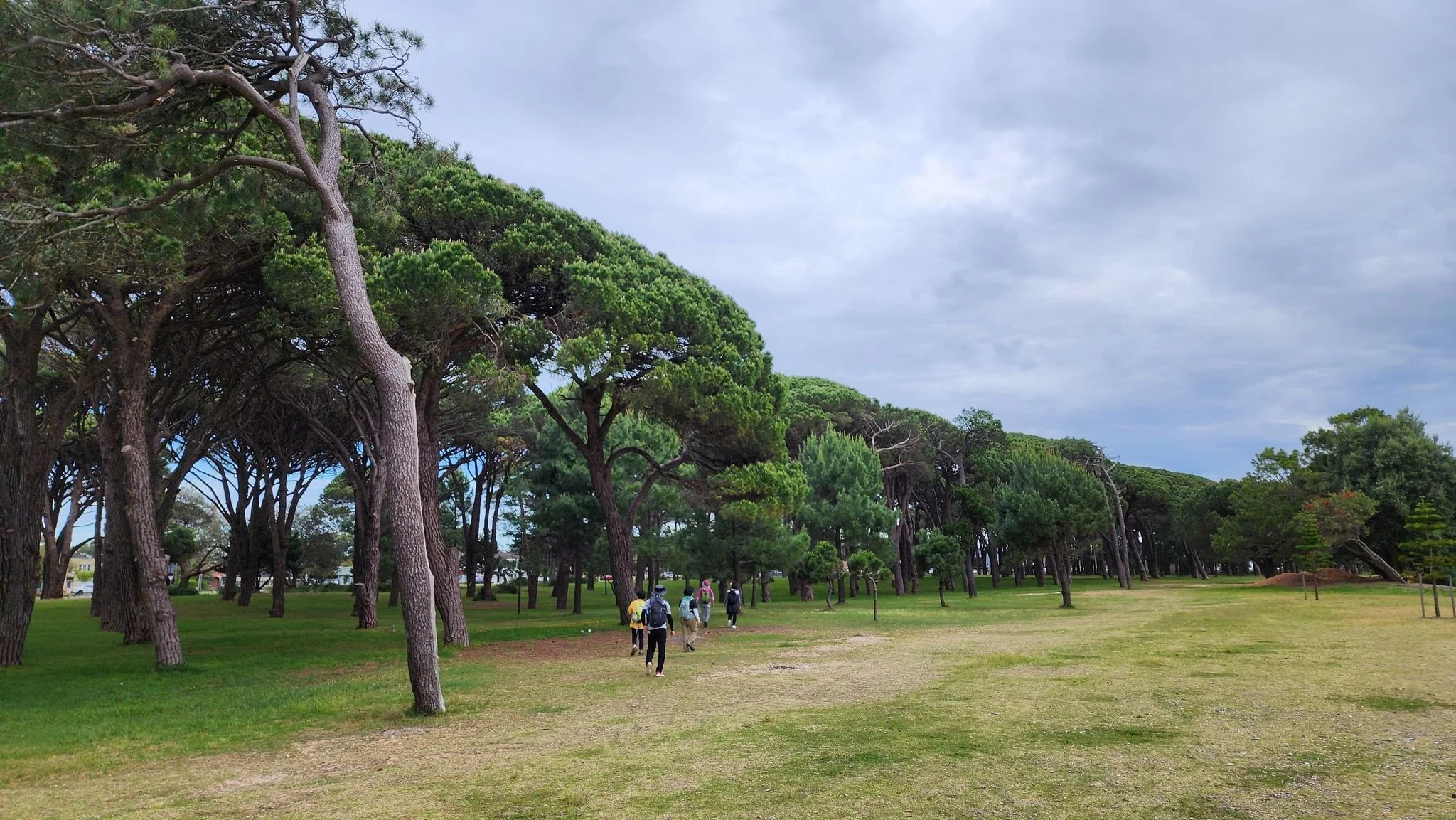
We are voices for a greener and more sustainable Bayside.
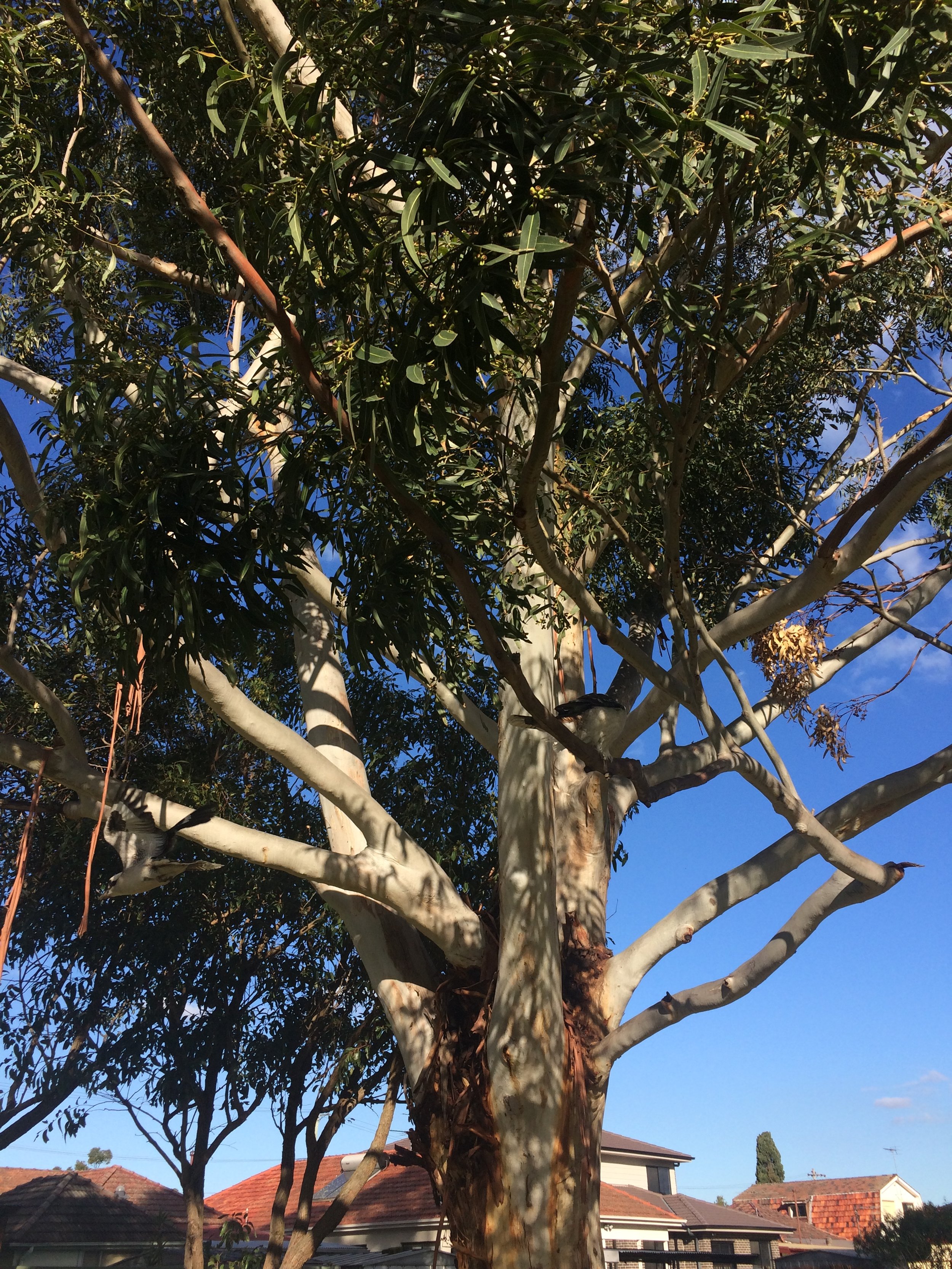
A greener Bayside
As Bayside increases in density and population, urban green spaces become increasingly important for community, sustainability and wellbeing.
We push council to increase the tree canopy, protect significant trees, improve electrification, set clear and achievable net zero targets, move towards cutting edge waste management systems like FOGO and setting up a new sustainability hub/tip shop. Where there are problems there are also opportunities for positive change.
Kamay Greenway
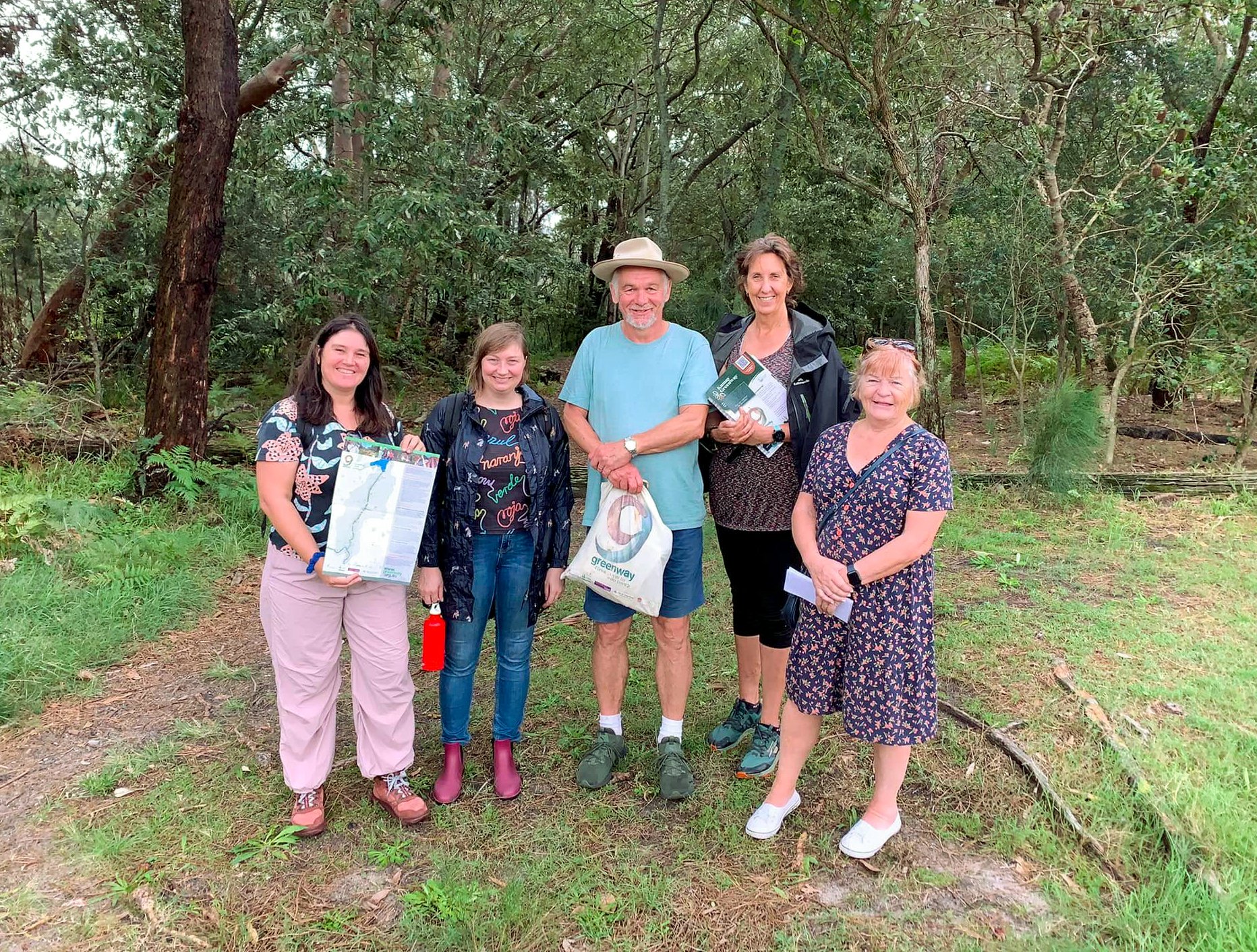
Imagine a peaceful green corridor from Kyeemagh to Captain Cook Bridge that connects our community, provides safer walking and cycling routes, and restores nature and our waterways.
The new F6 Extension Stage 1 shared path from Kyeemagh to Scarborough Ponds opens in 2025 and will end at AS Tanner Reserve in Monterey. With your support, we can extend it to the south to create the Kamay Greenway.
Cleaner Bayside
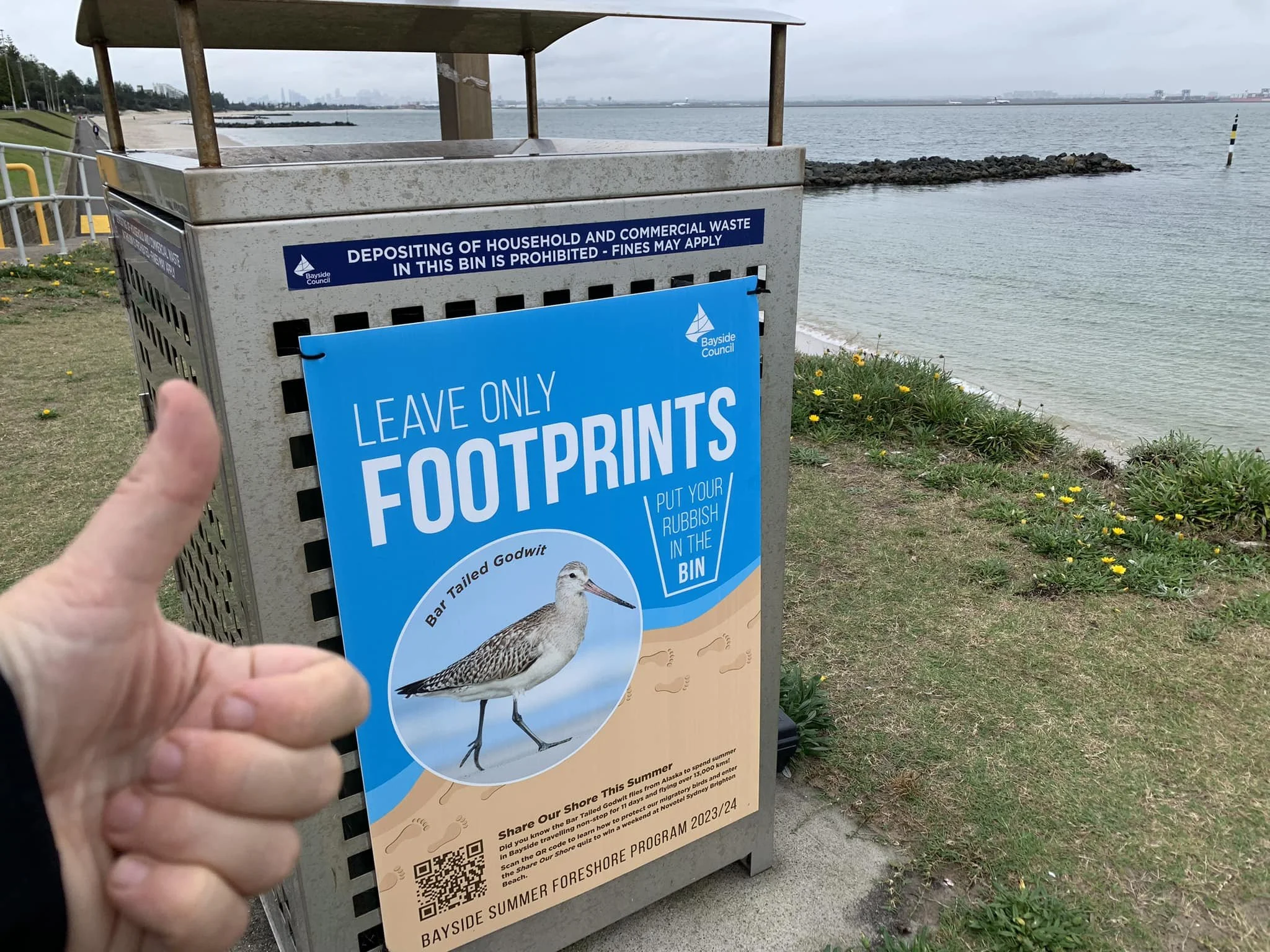
We take practical measures to keep Bayside cleaner and to reduce pollution and litter, including stronger compliance with Water Sensitive Urban Design to reduce stormwater pollution, advocacy for RID squads to tackle illegal dumping, and greater transparency on legacy contamination through regular public Orica/ICI remediation updates.
We’ve also encouraged Council to apply for a wider range of environmental grant funding and advocated for Port Botany and Sydney Airport to more actively support long-term pollution-reduction programs across the LGA.
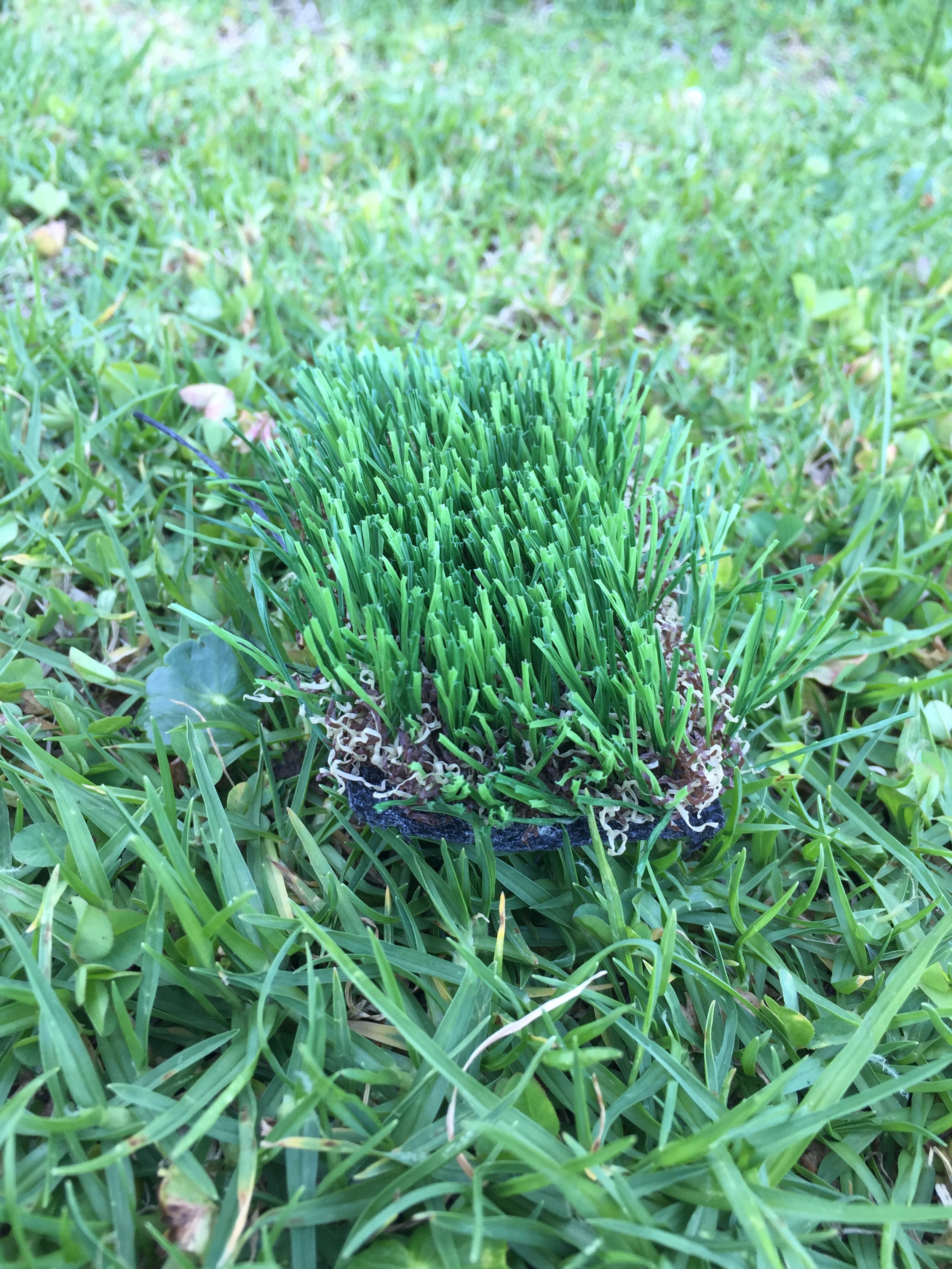
Greener fields
In 2022, the NSW Chief Scientist stated: ‘Research has suggested that biological pathogens, toxic chemicals, and micro-plastic ingestion are all risks to human health that are associated with synthetic [turf] materials.’
‘Astro’ or synthetic turf is incredibly resource-depleting during manufacture, expensive, easily damaged, non-recyclable at end-of-life and can contaminate nearby waterways. It is also linked to specific health issues, can cause serious friction injuries for players, increases field temperatures, and perhaps counter-intuitively, remains unusable for some days following heavy rain. That is why we support the rollout of purpose-built natural turf fields for our sporting clubs.